Aromaterapia: The Complete Guide to Essential Oils and Wellness Benefits
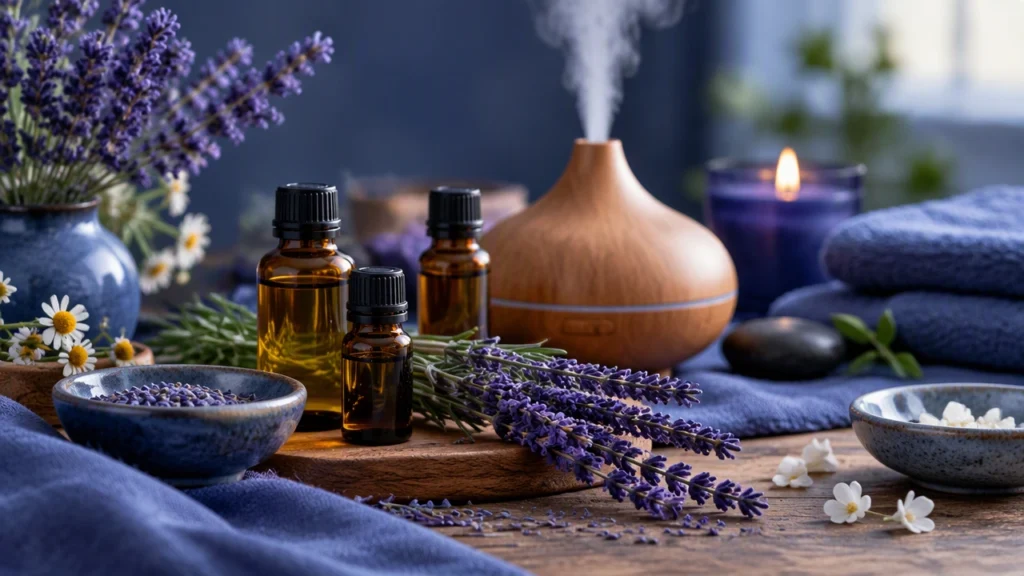
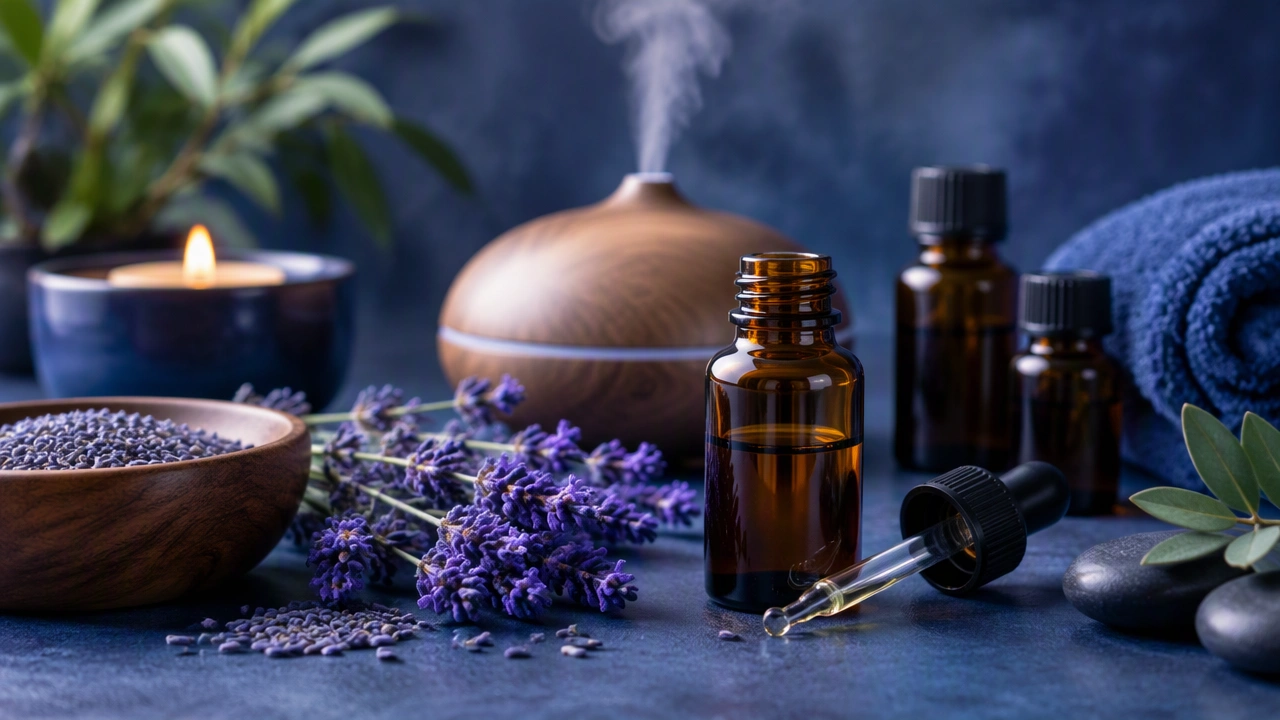
Aromaterapia is the practice of using essential oils extracted from plants to support physical, emotional, and mental well-being. Rooted in ancient traditions and supported by modern research, this holistic approach harnesses the aromatic compounds found in flowers, leaves, bark, and roots to promote relaxation, ease discomfort, and enhance overall quality of life. Whether you are new to essential oils or looking to deepen your knowledge, this guide covers everything you need to know about aromaterapia, how it works, and how to use it safely.
What Is Aromaterapia?
Aromaterapia, also known as aromatherapy, is a complementary wellness practice that uses concentrated plant extracts called essential oils. These oils capture the natural scent and beneficial properties of the plants from which they are derived. When inhaled or applied to the skin in diluted form, essential oils interact with the body’s chemistry to produce a range of effects, from calming an anxious mind to soothing sore muscles.
The term was coined in the 1930s by French chemist René-Maurice Gattefossé, who became fascinated by the healing properties of lavender oil after treating a burn with it. However, the use of aromatic plants for healing dates back thousands of years across cultures in Egypt, China, India, and the Mediterranean.
How Does Aromaterapia Work?
Understanding how aromaterapia works requires a basic knowledge of how essential oils interact with the body. There are two primary pathways of action:
Inhalation
When you inhale an essential oil, the aromatic molecules travel through the nose to the olfactory system, which is directly connected to the limbic system in the brain. The limbic system governs emotions, memory, and certain physiological functions like heart rate and breathing. This is why a single whiff of a familiar scent can instantly shift your mood or transport you to a specific memory. Oils like lavender, bergamot, and ylang-ylang are commonly used through inhalation to reduce stress and promote emotional balance.
Topical Application
When applied to the skin, essential oils are absorbed into the bloodstream through the dermis. This method is particularly useful for localized concerns such as muscle tension, joint discomfort, or skin conditions. However, essential oils are highly concentrated and must be diluted with a carrier oil before topical use to prevent irritation or sensitization. Popular carrier oils include jojoba, sweet almond, and fractionated coconut oil.
Common Essential Oils and Their Benefits
Each essential oil has a unique chemical composition that determines its therapeutic properties. Here are some of the most widely used oils in aromaterapia:
- Lavender: Known for its calming and sedative properties, lavender is one of the most versatile essential oils. It is commonly used to support sleep, ease anxiety, and soothe minor skin irritations.
- Eucalyptus: With a fresh, camphoraceous scent, eucalyptus is a go-to oil for respiratory support. It helps open airways and is frequently used during cold and flu season.
- Peppermint: Invigorating and cooling, peppermint oil can help relieve headaches, boost energy, and ease digestive discomfort when applied topically to the abdomen.
- Tea Tree: Renowned for its antimicrobial and antiseptic properties, tea tree oil is a staple in natural skincare routines for addressing blemishes and minor cuts.
- Frankincense: Often used in meditation practices, frankincense promotes a sense of grounding and spiritual connection. It is also valued in skincare for its rejuvenating properties.
- Sweet Orange: This uplifting citrus oil is known for its mood-boosting effects and its ability to reduce feelings of anxiety and stress.
Methods of Using Essential Oils
There are several safe and effective ways to incorporate aromaterapia into your daily routine:
- Diffusion: An ultrasonic diffuser disperses essential oil molecules into the air, allowing you to inhale them passively. This is one of the safest and most popular methods for enjoying the benefits of essential oils at home or in the office.
- Topical blends: Mixing essential oils with a carrier oil and applying the blend to pulse points, temples, or the bottoms of the feet allows for targeted benefits. A typical dilution ratio is two to three drops of essential oil per teaspoon of carrier oil for adults.
- Bath soaks: Adding a few drops of essential oil to a warm bath creates a spa-like experience. Because oil and water do not mix, it is important to combine the essential oil with a dispersant like Epsom salts or a small amount of liquid soap before adding it to the water.
- Inhalers: Portable aromatherapy inhalers are small tubes filled with a cotton wick and essential oils. They offer a discreet way to enjoy aromaterapia on the go.
- Steam inhalation: Adding a few drops of essential oil to a bowl of hot water and breathing in the steam can be especially helpful for clearing congestion and supporting respiratory health.
Safety Guidelines for Aromaterapia
While essential oils are natural, they are also potent and require careful handling. Follow these essential safety guidelines:
- Always dilute essential oils before applying to the skin. Undiluted application can cause burns, irritation, or allergic reactions.
- Perform a patch test. Before using a new oil or blend, apply a small amount to the inner forearm and wait twenty-four hours to check for any adverse reaction.
- Avoid ingestion unless under professional guidance. Taking essential oils internally without the supervision of a qualified practitioner can be harmful.
- Be cautious with vulnerable populations. Pregnant women, nursing mothers, young children, elderly individuals, and pets may be more sensitive to essential oils. Consult a healthcare provider before use.
- Store oils properly. Keep essential oils in dark glass bottles, away from heat and direct sunlight, to preserve their potency and shelf life.
- Research phototoxic oils. Certain citrus oils, such as bergamot and expressed lime, can cause skin reactions when exposed to sunlight. Avoid sun exposure on areas where these oils have been applied for at least twelve hours.
Choosing Quality Essential Oils
The effectiveness of aromaterapia depends heavily on the quality of the oils you use. Look for oils that are one hundred percent pure, sourced from reputable suppliers, and tested through gas chromatography-mass spectrometry for purity and composition. Avoid oils labeled as “fragrance oil” or “perfume oil,” as these are typically synthetic and lack therapeutic value. Organic and sustainably sourced oils are also preferable for both personal health and environmental reasons.
Integrating Aromaterapia into Daily Life
The beauty of aromaterapia lies in its simplicity and accessibility. You can start small by diffusing a calming blend in your bedroom before sleep, adding a few drops of peppermint to your morning shower for an energizing boost, or creating a soothing hand massage oil for moments of stress. Over time, you will develop an intuitive sense of which oils resonate with your body and mind, allowing you to personalize your practice and build a meaningful wellness ritual.
Aromaterapia is not a replacement for medical treatment, but it is a powerful complementary tool that supports the body’s natural ability to heal and thrive. By approaching it with respect, knowledge, and consistency, you can unlock the remarkable potential of plant-based wellness in your everyday life.