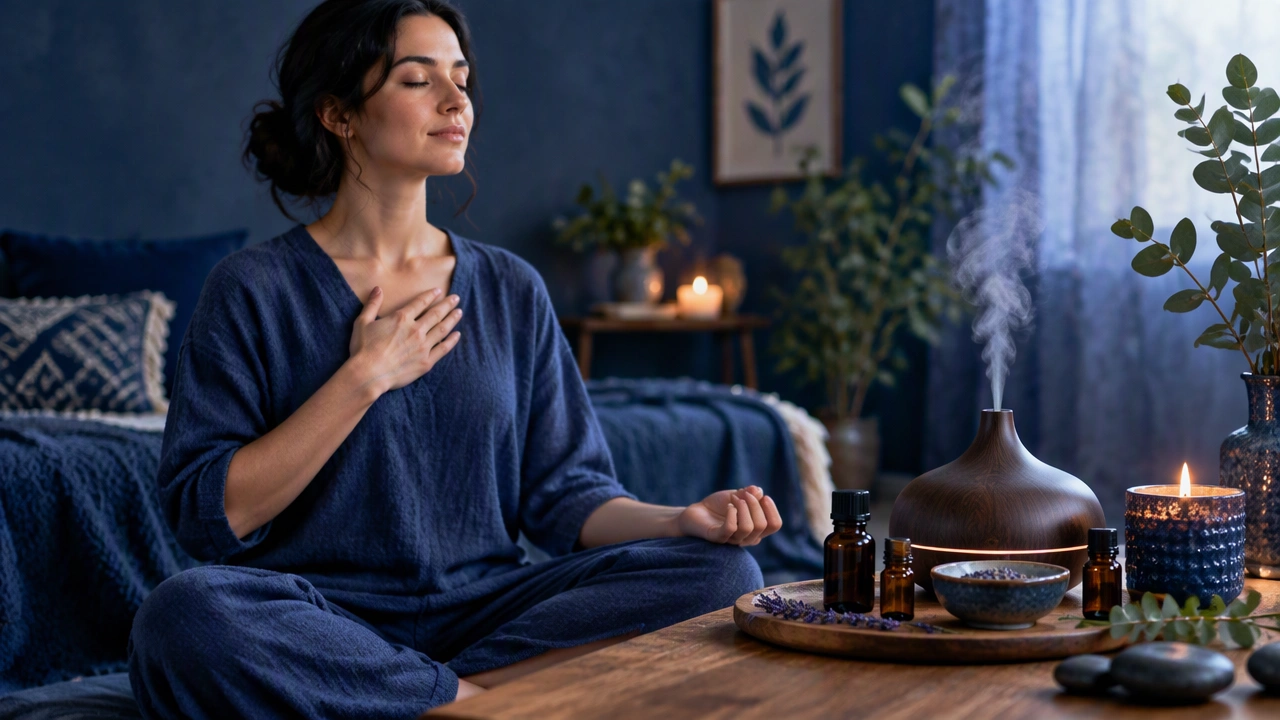
A Beginner’s Guide to Mindful Breathing and Meditation With Grounding Scents
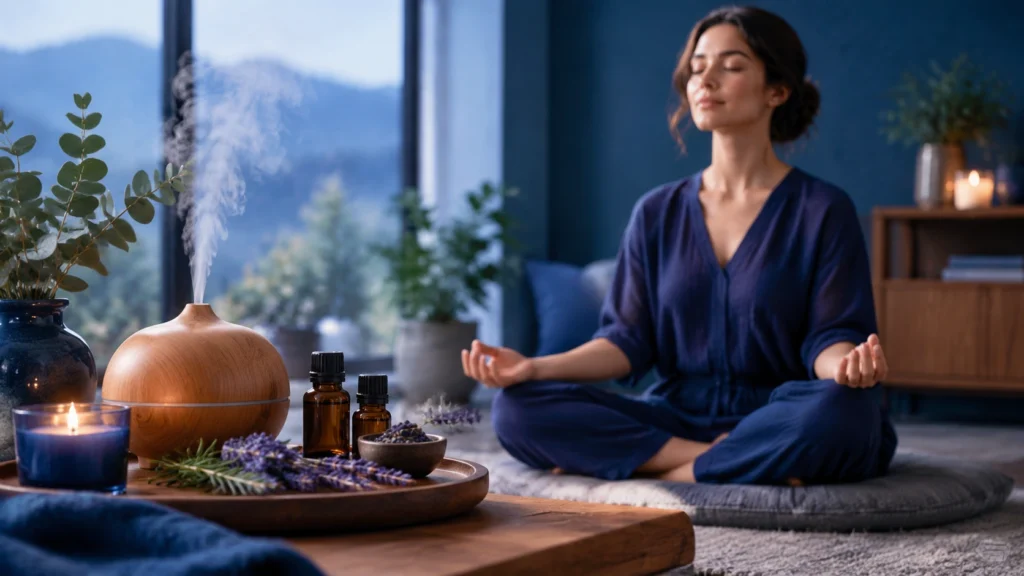
Aromaterapia can turn a few quiet minutes into a grounded ritual. By pairing slow breathing with a familiar, calming scent, you give your attention a simple place to rest. This beginner-friendly practice combines mindful breathing and meditation techniques with essential oils for focus in a way that feels approachable, safe, and easy to repeat at home.
Why pair breath with scent?
Breath is always available to you, and scent offers an immediate sensory anchor. When you inhale slowly while noticing a chosen aroma, you create a clear cue for your mind: this is the moment to settle. Over time, the same scent can become associated with your practice, making it easier to shift out of distraction and into the present.
The goal is not to force relaxation or chase a particular feeling. It is simply to notice what is already happening—the rise and fall of the chest, the temperature of the air, and the character of the fragrance—then return whenever your attention wanders.
Choose grounding scents for focus and calm
Grounding scents tend to feel warm, woody, resinous, or earthy. They provide a steady point of attention without being sharp or overpowering. Consider these common options:
- Cedarwood: dry, woody, and reassuring; useful when the mind feels busy.
- Vetiver: deep and earthy; a strong anchor for longer exhales.
- Sandalwood: soft and warm; gentle enough for a quiet evening practice.
- Frankincense: resinous and spacious; helpful when you want a sense of openness.
- Grounding blends: choose a product labeled for aromatic use, and check the ingredient list if you are sensitive to fragrance.
Select one scent and keep it dedicated to your practice. Consistency matters more than variety. If a fragrance feels too intense, use less of it or move the source farther away.
Safety first: use essential oils mindfully
Essential oils are concentrated plant extracts. Use them for inhalation rather than applying them undiluted to skin. A diffuser, a tissue, or a personal inhaler are simple options. Follow product directions, keep bottles away from children and pets, and ventilate the room if the aroma becomes strong.
If you are pregnant, nursing, have asthma or allergies, or take medication, ask a qualified healthcare professional before introducing a new scent. Never ingest essential oils unless a licensed professional specifically instructs you to do so. When in doubt, choose fragrance-free breathing practice; the breath itself is the core of the exercise.
A simple 10-minute practice
1. Prepare your space
Find a quiet place where you will not be interrupted. Sit on a chair with feet flat, or on a cushion with a supported spine. Place your diffuser or inhaler nearby, but do not begin inhaling yet. Take a moment to notice the room’s temperature, sounds, and the contact points between your body and the seat.
2. Introduce the scent
Release a small amount of your chosen aroma, or bring the inhaler gently toward your nose. Inhale normally once or twice and notice the first impression without judging it. Is it warm, fresh, woody, or soft? Let the scent be an object of curiosity rather than a task.
3. Follow a gentle breathing pattern
Allow the breath to become slow and comfortable. Try inhaling for a count of four, pausing briefly if that feels natural, and exhaling for a count of six. Keep the breath quiet and unforced. If counting creates tension, drop the numbers and simply lengthen the exhale slightly.
Repeat this pattern for several rounds. When the mind drifts to plans, memories, or to-do lists, acknowledge the thought and return to the next exhale. The return is the practice.
4. Add a short meditation
After a few minutes, let the breath return to its natural rhythm. Keep a soft awareness of the scent in the background. Notice sensations in the body: the hands resting, the jaw softening, the shoulders lowering. If attention scatters, use the aroma as a home base and gently guide awareness back.
For focus, silently repeat a simple phrase such as here, now or steady and clear on each exhale. For calm, imagine the exhale widening the space around you. Choose one intention and stay with it.
5. Close with orientation
Before you stand, look around the room and name three things you can see. Feel your feet on the floor and take one ordinary breath. This brief reorientation helps you carry the steadiness of the practice into the next part of your day.
Make the habit sustainable
Start with five minutes and extend gradually. Practice at the same time each day—perhaps after morning coffee or before bed—so the routine becomes automatic. Keep a small note about which scent and breathing pattern felt supportive, and adjust based on your experience rather than a rigid plan.
On days when meditation feels difficult, shorten the session. Even three conscious breaths with a familiar aroma can reset your attention. The most useful practice is the one you can return to consistently.
Troubleshooting common challenges
- Restlessness: stand and stretch, then sit again with a longer exhale.
- Sleepiness: open a window, choose a brighter scent such as a light citrus, and keep the eyes softly open.
- Fragrance sensitivity: skip the oil and use a tactile anchor, such as feeling the hands rise and fall.
- Racing thoughts: count ten exhales, then pause counting and listen to the soundscape around you.
With patience, this small ritual can become a reliable doorway to focus and calm. Aromaterapia is not a replacement for medical care, but it can be a pleasant companion to a steady breathing and meditation practice. Begin simply, respect your boundaries, and let the scent support—not drive—the quiet work of returning to yourself.