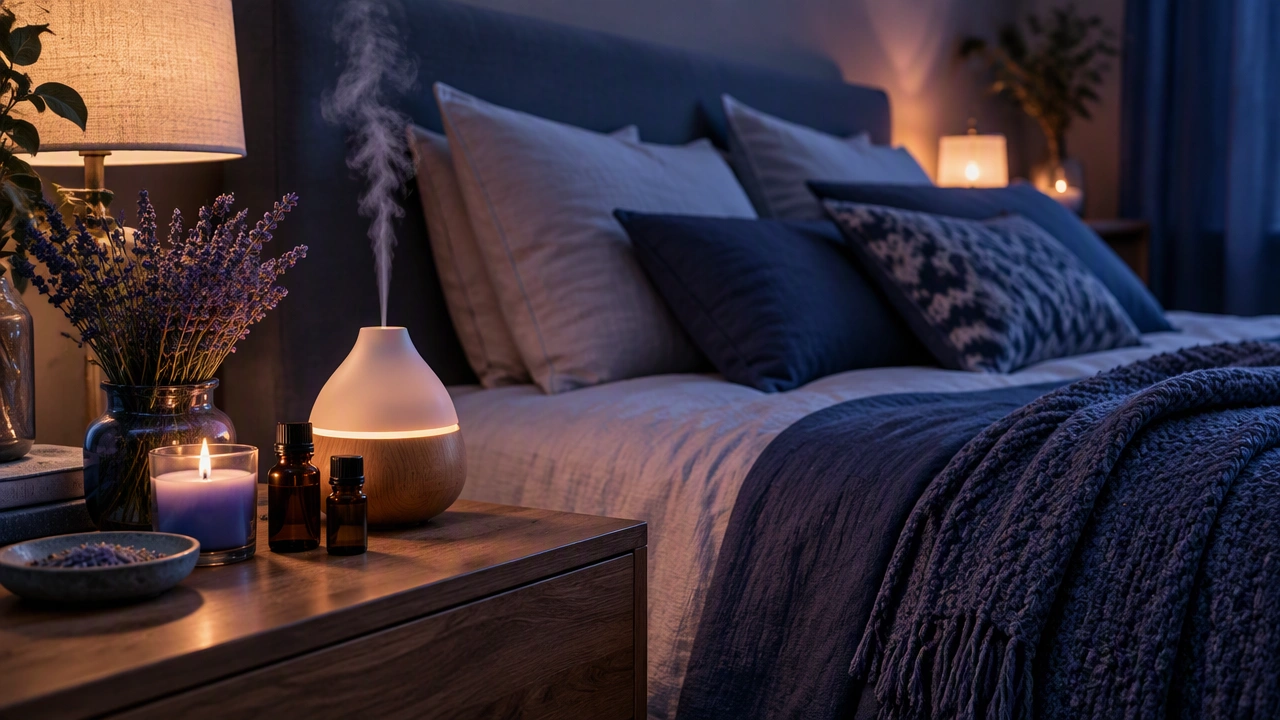
How to Design a Calm, Sleep-Friendly Bedroom Sanctuary Using Layered Scents, Textiles, and Soft Lighting
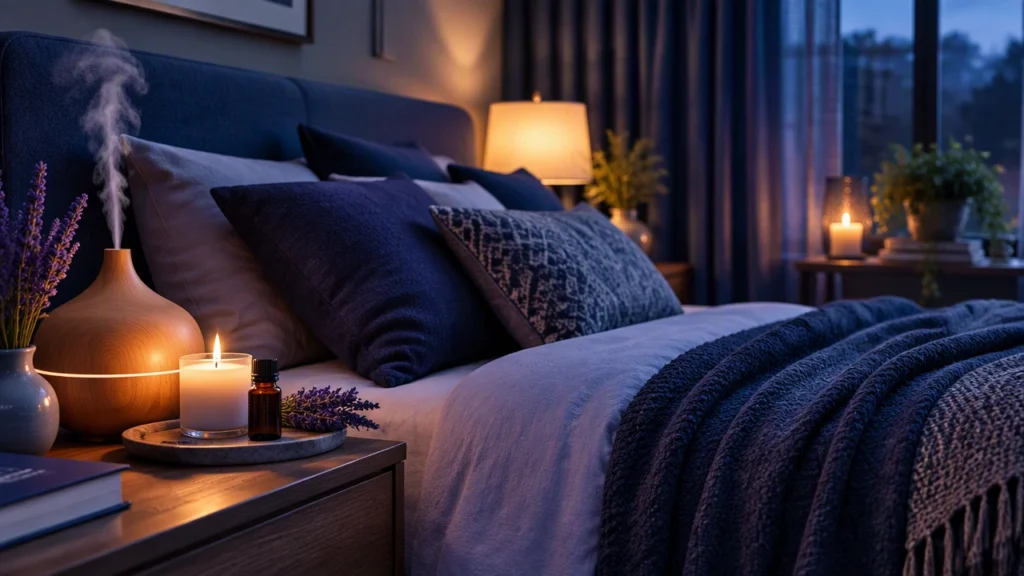
A restful bedroom is more than a place to sleep. It is a sanctuary where the senses can slow down, the breath can deepen, and the nervous system can settle. When you design this space with intention, you support your body’s natural transition to sleep. Aromaterapia, soft textiles, and gentle lighting work together to create a layered environment that feels safe, warm, and unhurried.
If you have ever wondered how to create a calm bedroom sanctuary with relaxing scents and lighting, the answer is simple: build the space in layers. Start with scent, add texture, then shape the light. Each layer supports the others and helps your mind recognize that the day is ending.
Set a clear intention for the room
Before you buy diffusers or change bulbs, choose one intention for the space. It might be deeper sleep, calmer evenings, or a place to unwind after screen-heavy days. Write it down and let it guide every choice. When the room has a clear purpose, it becomes easier to remove clutter and keep only what supports rest.
Design scent in gentle layers
Layering scent means using different formats and strengths so the fragrance feels balanced instead of strong. Think of scent as a soft background, not a centerpiece.
- Base layer: Use a linen or room mist with a calming blend, such as lavender, cedarwood, and a touch of sweet orange. Spray lightly over bedding from a distance so the mist settles without dampening fabric.
- Mid layer: Add a diffuser with a soft output. A ceramic or bamboo ultrasonic diffuser on a low setting can carry subtle notes of bergamot, clary sage, or vetiver across the room.
- Top layer: Keep a small sachet of dried lavender or a cedar block near the pillow area. This gives a gentle close-range note when you turn down the covers.
Use scent in small amounts and rotate blends every few weeks so your nose stays sensitive. Strong fragrance can feel stimulating, while a light, clean aroma signals safety and ease.
Choose calming notes
- Lavender: soft, floral, and widely associated with relaxation
- Cedarwood: warm, woody, and grounding
- Bergamot: citrus with a gentle, balancing quality
- Vetiver: earthy and deeply calming
- Sweet orange: light and comforting in small amounts
Blend lightly or use single notes. If you are sensitive, start with one drop in a diffuser and increase slowly. Avoid spraying scent directly onto skin or pillows if you have allergies or asthma.
Layer textiles for warmth and softness
Textiles shape how the room feels against your skin. The goal is gentle comfort that helps the body relax without overheating.
- Base sheet: Choose breathable cotton or linen for a clean, soft feel.
- Mid layer: Add a cotton or bamboo blanket for gentle weight.
- Top layer: Use a light duvet or quilt with natural fill, depending on your climate.
- Texture accents: Place a soft throw at the foot of the bed and a small lumbar pillow for support.
Keep colors muted. Warm neutrals, soft blues, or gentle earth tones create visual quiet. Avoid heavy patterns near the bed if they feel busy to your eyes. A simple, tidy layout helps the mind settle.
Keep temperature in mind
Most people sleep best in a cool room. Layer textiles so you can adjust through the night. Breathable fabrics reduce the chance of waking from overheating. If your feet run cold, keep a soft pair of socks nearby rather than raising the room temperature.
Shape light to support your body clock
Light is one of the strongest signals for sleep. In the evening, lower the brightness and choose warm tones so melatonin production is not disrupted.
- Main light: Use a dimmer switch or a low-watt warm bulb for general light after sunset.
- Task light: Place a small bedside lamp with a fabric shade for reading. Keep it low and warm.
- Accent light: Add a salt lamp, a soft LED strip behind furniture, or a small candle for a gentle glow.
Reduce blue light from screens at least one hour before bed. If you use a phone or tablet, switch to the warmest setting and lower brightness all the way. The aim is a calm, golden atmosphere that tells your body it is time to unwind.
Create a light routine
Dim the lights at the same time each evening. This simple habit builds a sleep cue. If you wake at night, keep a small red or amber night light near the floor so you can move safely without bright stimulation.
Clear clutter and create calm zones
A calm bedroom benefits from open surfaces and simple storage. Keep the area around the bed clear so the eyes rest. Place books, journals, and remotes in a small tray or drawer. Give every item a home so tidying takes only a few minutes.
Consider a small wind-down zone near the bed: a chair with a throw, a soft rug, and a place for your mist and journal. This corner becomes a cue for slow breathing and quiet reflection.
Build a gentle evening ritual
Design supports routine, and routine deepens rest. A simple nightly sequence might look like this:
- Dim lights: Lower brightness one hour before bed.
- Refresh scent: Mist the room lightly and set the diffuser on low.
- Unfold textiles: Turn down the covers and place your throw within reach.
- Slow the breath: Sit for a few minutes and inhale slowly through the nose.
- Set the mind free: Write three lines in a journal or list tomorrow’s top priority.
Keep the ritual consistent. Small, repeated actions train the brain to relax at the same time each night.
Keep the space healthy and simple
Open a window for fresh air when possible. Clean diffusers regularly and use clean water each time. Choose fragrance without harsh additives. Wash bedding often and vacuum the room to reduce dust. If you are sensitive, introduce one scent at a time and note how you feel.
A calm bedroom sanctuary does not need to be perfect. It needs to be consistent. With layered scent, soft textiles, and warm, low light, you create a space that welcomes sleep night after night. Start small, refine gently, and let the room become a quiet refuge where the body can rest and the mind can let go.