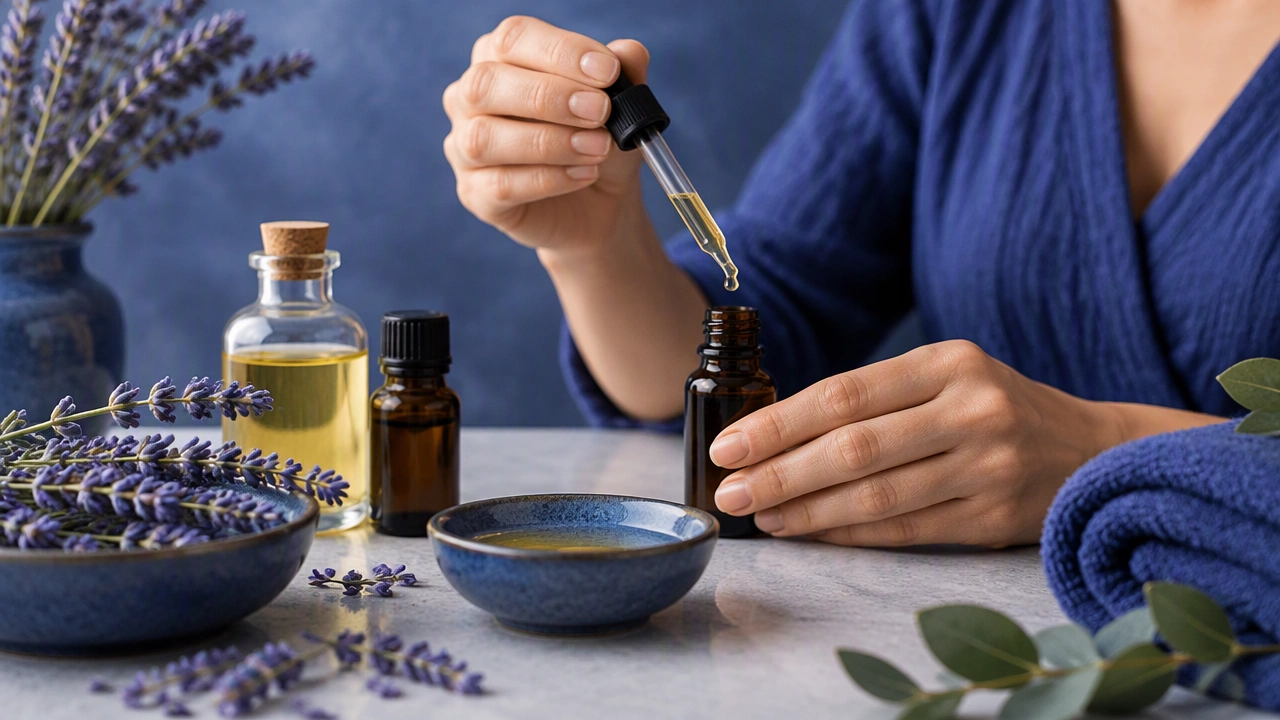
Essential Oil Dilution Safety: Carrier Ratios for Skin at Any Age
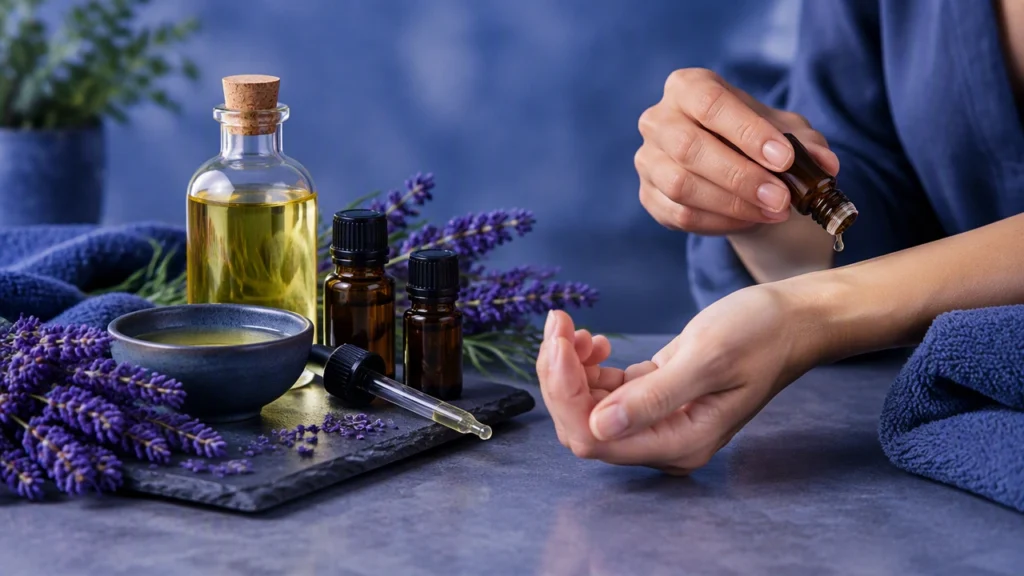
Aromaterapia can be a gentle way to enjoy plant aromas, but neat essential oils are highly concentrated and may irritate or sensitize skin. Safe practice starts with dilution in a suitable carrier oil, then matching the percentage to the person, body area, and intended use.
Why dilution matters
Essential oils are volatile aromatic compounds that evaporate quickly and can penetrate the outer layers of skin. Applying them undiluted increases the chance of redness, stinging, dryness, or allergic contact dermatitis. Repeated exposure also raises the risk of developing a new sensitivity, even if a product was tolerated before.
Carrier oils slow evaporation, spread the essential oil over a wider area, and help keep the concentration within a practical range. They do not reduce the chemical activity of the oil; they make the dose more predictable. The same essential oil can be appropriate in a facial moisturizer at 0.5% and unsuitable for a large-area body oil at 5%.
Core safety rules
- Use proper dilution for every skin application. Avoid neat oils on skin, mucous membranes, damaged skin, and large body areas.
- Calculate by percentage, not drops alone. Drop size varies with the orifice and oil viscosity, so a percentage target is more reliable than a fixed drop count.
- Match the strength to the person. Older adults, pregnant people, people with respiratory conditions, and those taking medications should use conservative concentrations and seek professional advice when unsure.
- Do a patch test for new combinations. Apply a small amount to the inner forearm once daily for three days. Stop if itching, swelling, or persistent redness occurs.
- Keep oils away from eyes and mucous membranes. If contact occurs, wipe with a carrier oil first, then rinse gently with water and seek advice if irritation continues.
Choosing a carrier oil
A good carrier oil is stable, relatively odorless, and suitable for the intended use. Common options include fractionated coconut oil, sweet almond oil, jojoba oil, sunflower seed oil, and grapeseed oil. Jojoba is technically a liquid wax and has a long shelf life. Sunflower and grapeseed are lighter choices for facial products. Cold-pressed oils may contain more natural fragrance and allergens, so sensitive users may prefer refined oils.
Avoid using essential oils in the eyes, ears, nose, or inside the mouth. Do not apply them to inflamed, sunburned, or broken skin unless a qualified practitioner has provided a specific protocol.
Essential oil dilution chart with carrier oils for safe skin use
The following ranges are general educational guidelines for healthy adults and are not medical prescriptions. Choose the lowest effective concentration, keep total exposure reasonable, and discontinue use if irritation appears.
General percentage ranges
- 0.3–1% for facial care, daily use, older adults, and people with sensitive skin.
- 1–2% for typical adult body oils, massage blends, and short-term use on larger areas.
- 2–3% for local, occasional application on otherwise healthy adult skin, with a break between uses.
A practical example: to prepare a 1% blend, combine about 1 millilitre of essential oil with 99 millilitres of carrier oil, or roughly 6 drops with 30 millilitres of carrier oil. For a 2% blend, use about 12 drops with 30 millilitres. Shake the bottle gently before each use and label it with the ingredients, date, and percentage.
Age-specific considerations
- Infants and young children: many professional sources recommend avoiding essential oils on babies under three months. For older infants and children, use conservative dilutions, typically no more than about 0.5–1%, and only on small areas. Do not use on the face of a child unless a practitioner has advised it.
- Children and teenagers: keep blends mild, avoid frequent reapplication, and never apply undiluted oils to skin. Supervise use and store bottles out of reach.
- Adults: start at the lower end of the range and increase only if the skin tolerates the product and the purpose requires it.
- Pregnancy and breastfeeding: use conservative percentages, avoid large-area application, and check with a qualified healthcare professional about specific oils.
- Older adults: aging skin may be thinner and more fragile, so facial and body blends generally stay around 0.3–1% unless advised otherwise.
Application and storage practices
Apply diluted oil to a small area first, then increase the area gradually. For body massage, use a measured syringe or pipette to verify the amount of essential oil. Wash hands after blending, and keep blends in dark glass bottles away from heat and direct sunlight. Essential oils and finished blends can oxidize over time, increasing irritation risk; discard citrus oils and blended products when they smell sharp, off, or unusually strong.
Keep essential oils away from children and pets, and never ingest them unless a qualified professional has provided a specific, supervised protocol. If a person feels faint, develops a rash, wheezing, or swelling after use, stop exposure, remove contaminated clothing, and seek medical help when symptoms are significant or persistent.
A simple safe routine
Start by selecting one carrier oil and one essential oil at a time. Define the purpose and body area, choose a percentage from the chart, measure carefully, and label the bottle. Use the blend for a limited period, monitor the skin, and store it properly. This measured approach supports a calm, consistent aromatherapy practice without relying on guesswork or undiluted application.