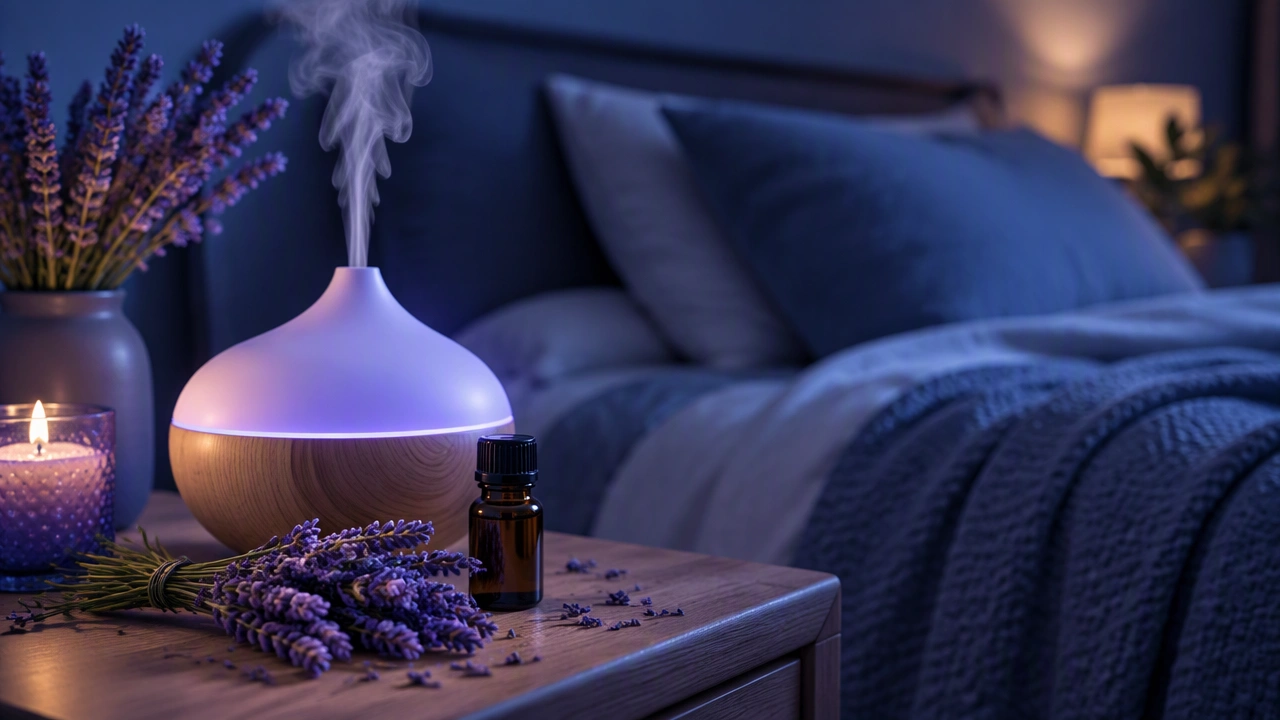
Aromaterapia for Calmer Evenings: How Lavender Essential Oil Can Support Deeper Sleep and Anxiety Relief
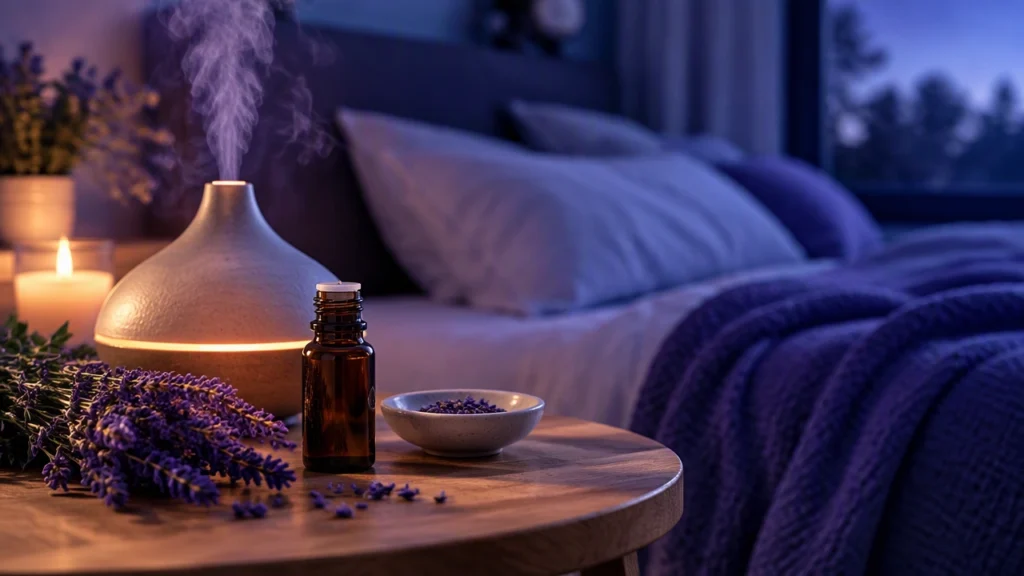
Many people search for how to use lavender essential oil for better sleep and anxiety relief because evenings can feel restless, overstimulating, and hard to wind down. In the broader practice of aromaterapia, lavender is one of the most studied botanicals for calming the nervous system, easing tension, and supporting the transition into sleep. While it is not a cure for insomnia or anxiety disorders, it can be a gentle, well-tolerated part of a healthy bedtime routine when used with proper dosage and timing.
Why Lavender May Help With Sleep and Evening Anxiety
Lavender essential oil is steam-distilled from the flowering tops of Lavandula angustifolia. Its aroma is soft, floral, and slightly herbaceous, which many people find naturally soothing. In everyday use, the scent seems to help reduce mental chatter, slow down hurried breathing, and create a sense of safety around bedtime.
From a practical standpoint, lavender may support sleep and anxiety relief in three simple ways:
- Sensory cue: Using the same aroma each night can train the brain to associate that scent with rest.
- Relaxation support: Gentle inhalation may help ease shallow breathing, muscle tension, and stress-related restlessness.
- Ritual consistency: A predictable evening routine signals to the body that the day is ending and sleep is approaching.
How to Use Lavender Essential Oil for Better Sleep and Anxiety Relief
The most effective approach is usually simple: choose one or two methods, use them consistently, and keep the dosage low. Lavender works best as part of a calming sequence, not as a quick fix.
1. Simple Diffuser Blend for the Bedroom
A diffuser can fill the room with a soft aroma without making it overwhelming. For a standard ultrasonic diffuser, start with 3 to 5 drops of lavender in the water tank. Run it 30 to 60 minutes before bed, then turn it off once you feel relaxed or when you are ready to sleep. This helps prevent overexposure during the night and keeps the scent gentle rather than heavy.
2. Pillow or Bedding Mist
A light linen spray is a practical option if you do not want to run a diffuser all night. Mix 6 to 10 drops of lavender with 2 tablespoons of witch hazel or vodka and ½ cup of distilled water in a small glass spray bottle. Shake gently, then mist the pillow from about 12 inches away. Allow it to dry for a minute before lying down. This creates a soft scent bubble close to the nose, which can be especially helpful for anxious thoughts at bedtime.
3. Topical Application With a Carrier Oil
If you prefer a more personal ritual, lavender can be applied to the skin after dilution. A safe starting point is 2 to 3 drops of lavender mixed with 1 teaspoon of carrier oil, such as jojoba, sweet almond, or fractionated coconut oil. Massage it into the wrists, the back of the neck, or the soles of the feet 20 to 30 minutes before sleep. This allows time for absorption and gives the scent a chance to become part of your wind-down routine.
4. Warm Bath or Foot Soak
Warm water helps relax tense muscles, and adding lavender can deepen that effect. For a full bath, use 5 to 8 drops mixed with a tablespoon of carrier oil, milk, or bath salts before adding it to the water. For a foot soak, 3 to 4 drops in a basin of warm water is usually enough. Soak for 10 to 15 minutes, then continue with your usual bedtime routine.
5. Hand Inhaler or Tissue Method
When anxiety feels immediate, a quick inhalation technique can be helpful. Place 1 to 2 drops on a tissue or cotton pad and breathe slowly for a few minutes. A personal inhaler is another portable option: add 6 to 10 drops to the wick and inhale gently whenever you need a moment of calm before bed.
Dosage and Timing: The Key to Getting It Right
Lavender is gentle, but more is not better. The goal is a soft, pleasant aroma that helps your body relax without overwhelming your senses. Here are practical guidelines:
- Diffuser: 3 to 5 drops for the bedroom, run for 30 to 60 minutes before sleep.
- Topical use: 2 to 3 drops per teaspoon of carrier oil.
- Bath: 5 to 8 drops for a full bath, 3 to 4 drops for a foot soak, always diluted.
- Pillow spray: 6 to 10 drops in a properly diluted spray mixture.
- Timing: Start your chosen method 20 to 60 minutes before bedtime so the scent becomes part of your transition into rest.
Consistency matters more than intensity. Using lavender in the same way, at the same time, each evening helps build a reliable sensory routine.
Simple Evening Rituals That Work Well With Lavender
Lavender is most effective when it supports a calming sequence rather than standing alone. A simple ritual might look like this:
- Dim the lights and reduce screen exposure 30 to 60 minutes before bed.
- Start the diffuser or mist your pillow.
- Take a warm shower or bath to release physical tension.
- Apply a small amount of diluted lavender to your wrists or neck.
- Practice slow breathing or gentle stretching to settle the mind.
- Keep the bedroom cool, dark, and quiet to support natural sleep pressure.
This kind of routine helps the nervous system recognize that the day is ending, which can make falling asleep feel more natural over time.
Safety and Best Practices
Even though lavender is widely used, it is still a concentrated essential oil and should be handled with care.
- Dilute before skin application to reduce the risk of irritation.
- Avoid contact with eyes and sensitive areas.
- Use fewer drops if you are sensitive to strong scents.
- Keep diffuser use moderate in small or poorly ventilated rooms.
- Store the bottle tightly closed, away from heat and direct sunlight.
- Consult a healthcare professional if you are pregnant, nursing, have asthma, epilepsy, or are using medication.
Lavender is not a substitute for medical treatment. If sleep problems or anxiety persist, professional guidance is always the safest path.
Choosing a Good Lavender Oil
Quality makes a difference in both aroma and experience. Look for 100% pure essential oil with Lavandula angustifolia listed on the label. Avoid products labeled as “fragrance oil,” which may not be suitable for therapeutic use. A fresh, clean lavender scent usually indicates better distillation and storage practices.
Final Thoughts
If you have been exploring how to use lavender essential oil for better sleep and anxiety relief, the most helpful approach is simple and consistent. Choose a method that fits your lifestyle, use proper dosage, and give the routine time to work. Within a few evenings, many people find that the scent alone begins to signal safety, calm, and readiness for sleep.