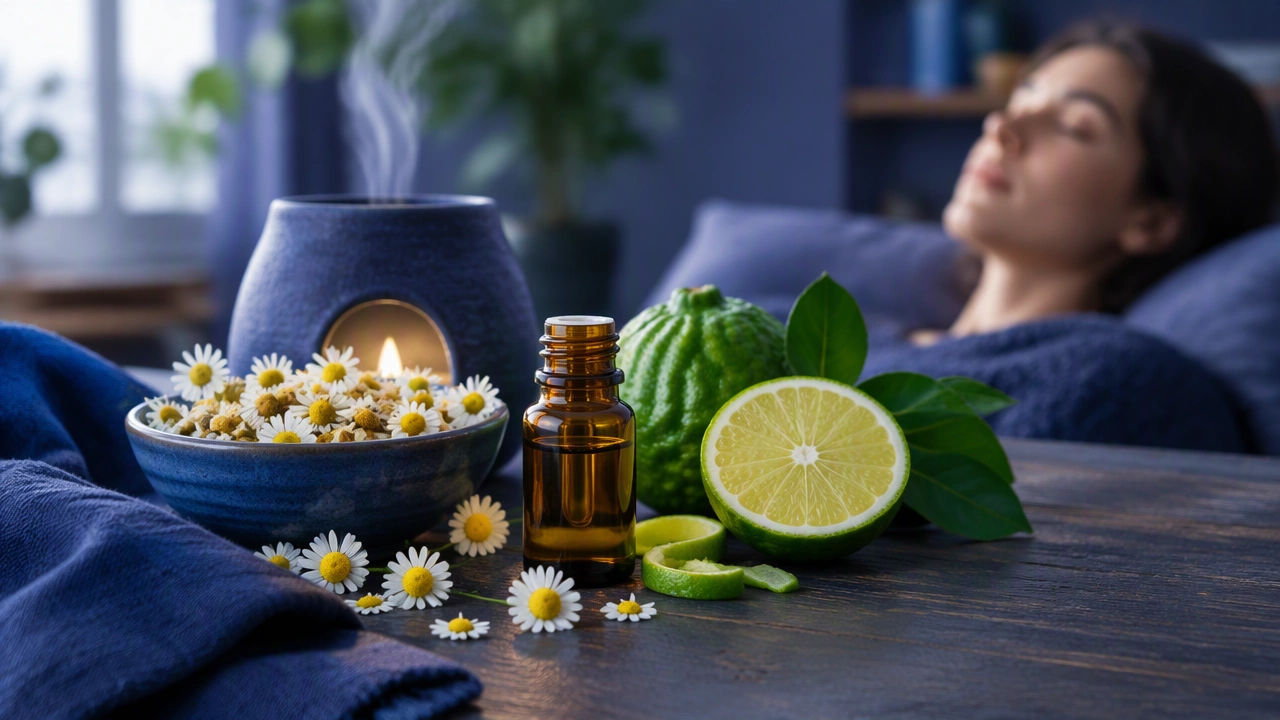
How Chamomile and Bergamot Can Support Recovery from Burnout and Chronic Tension
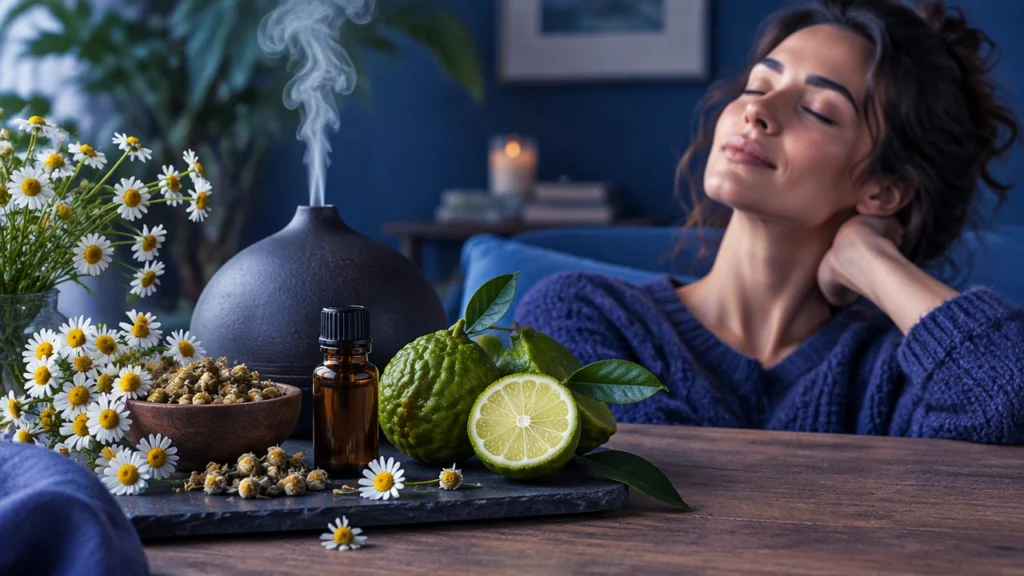
Aromaterapia offers a gentle way to create moments of calm when burnout and chronic tension have become part of daily life. Chamomile and bergamot are two essential oils often chosen for emotional support because their aromatic profiles combine soothing warmth with a bright, uplifting quality. Used thoughtfully, a chamomile and bergamot essential oil blend for burnout and stress recovery can become a simple ritual that signals safety, encourages slower breathing, and helps the mind step away from persistent alertness.
This article explains how these oils may support emotional recovery, how to use them safely, and how to build a realistic aromatherapy routine when energy and motivation are low.
Why burnout changes the way the body responds to scent
Burnout is not simply feeling tired after a demanding week. It often involves prolonged stress, emotional exhaustion, reduced capacity for concentration, and a sense of detachment from activities that once felt meaningful. Chronic tension may also show up as tight shoulders, a clenched jaw, shallow breathing, restless sleep, or difficulty switching off at the end of the day.
Scent has a direct relationship with attention and memory. When a familiar aroma is linked with rest, comfort, or a pause from responsibility, the brain can begin to recognize that scent as a cue to settle. Aromatherapy does not remove the causes of burnout, but it can support the transition between a stressed state and a more regulated one.
That transition matters. People experiencing burnout often remain in a state of high vigilance even when the immediate pressure has eased. A consistent sensory ritual can help create a clearer boundary between work, recovery, and sleep.
What chamomile and bergamot bring to a blend
Chamomile: warmth, softness, and emotional quiet
Chamomile essential oil is commonly associated with comforting, hay-like, and gently sweet notes. Its aroma is often used in evening routines or moments when the nervous system needs a softer atmosphere. People frequently choose chamomile when they want to reduce mental noise, create a sense of warmth, or prepare for rest.
For someone living with chronic tension, chamomile can be especially useful as an anchor. Its scent is not sharp or energizing, which makes it easier to use when the mind feels overstimulated. In a blend, it often provides the grounding base that gives the mixture a calm, steady character.
Bergamot: brightness without intensity
Bergamot essential oil has a fresh citrus aroma with a subtle floral quality. Unlike sharper citrus oils, bergamot is often described as uplifting without feeling overly stimulating. This can be helpful for people who feel emotionally flat, heavy, or disconnected but still need a gentle lift.
Bergamot can make a blend feel more spacious and hopeful. It adds a clean top note that helps the aroma open the senses while chamomile keeps the overall impression grounded. Together, they create a balanced profile: one oil leaning toward rest, the other toward emotional renewal.
How to use the blend safely
Safety is an important part of aromatherapy, especially when stress has already left the body sensitive to strong sensory input. Essential oils should be used in moderation and with attention to skin, respiratory, and household safety.
- Diffusion: Add only a few drops to a diffuser in a well-ventilated room. Short sessions of 20 to 30 minutes are usually enough to establish a calming atmosphere without overwhelming the space.
- Personal inhaler: A portable nasal inhaler allows you to take a brief scent break at a desk, during travel, or before sleep. This method keeps the aroma contained and easy to control.
- Carrier oil dilution: If applying the blend to the skin, dilute essential oils in a suitable carrier oil and patch test first. Avoid applying undiluted oils directly to the skin.
- Bath use: Essential oils should not be added to bath water without proper dispersal, since they can sit on the surface and irritate the skin.
People who are pregnant, breastfeeding, caring for infants, living with asthma, or taking medication should seek professional guidance before using essential oils. Bergamot also requires careful attention to sun exposure, as some citrus oils can increase photosensitivity. Choose a phototoxic-safe product and follow the supplier’s directions.
A simple ritual for emotional recovery
Recovery from burnout benefits from repetition rather than intensity. A small ritual performed consistently can be more supportive than an elaborate routine that feels difficult to maintain.
1. Create a transition point
Choose one moment in the day when work or responsibility officially ends. This might be closing the laptop, changing clothes, or taking a short walk. Diffuse the chamomile and bergamot blend during this transition so the scent becomes associated with the shift from effort to rest.
2. Pair the aroma with slower breathing
After applying the aroma through an inhaler or entering a diffused room, take several slow breaths. Inhale gently, pause, and exhale longer than you inhale. The goal is not to force relaxation but to give the body a clear signal that nothing needs to be solved in the next moment.
3. Reduce stimulation
Lower bright lights, silence unnecessary notifications, and remove visual clutter from the area where you rest. Aromatherapy works more effectively when the surrounding environment supports the same message.
4. Notice, do not judge
Pay attention to whether the scent feels comforting, familiar, or distracting. Emotional recovery is individual. If a blend feels too strong or unpleasant, reduce the number of drops or discontinue use. The purpose is to create choice, not to add another performance goal.
Building a wider recovery plan
Aromatherapy is most useful as part of a broader approach to stress recovery. Alongside scent rituals, consider regular sleep and wake times, gentle movement, nourishing meals, time outdoors, and boundaries around work availability. Chronic tension often responds well to low-pressure practices such as stretching, warm showers, progressive muscle relaxation, or quiet time without screens.
It is also important to address the conditions that contribute to burnout. If workload, relationships, financial pressure, or health concerns remain unchanged, a calming aroma can provide temporary relief but cannot resolve the underlying strain. Speaking with a trusted person or qualified professional can help when exhaustion, hopelessness, or anxiety persists.
When used with care, chamomile and bergamot can offer a quiet but meaningful form of support. The blend does not demand effort or perfection. It simply invites the senses to pause, breathe, and remember what steadiness feels like.