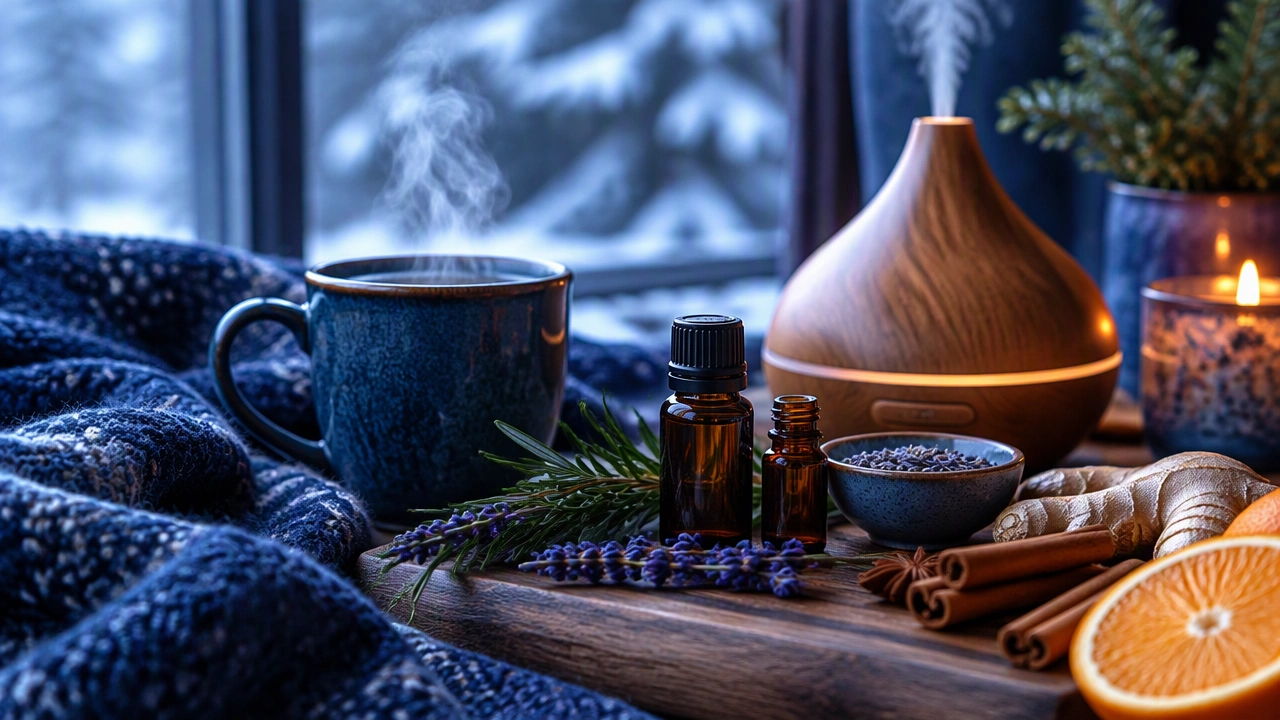
Seasonal Aromatherapy: A Winter Wellness Routine for Warmth and Immune Support
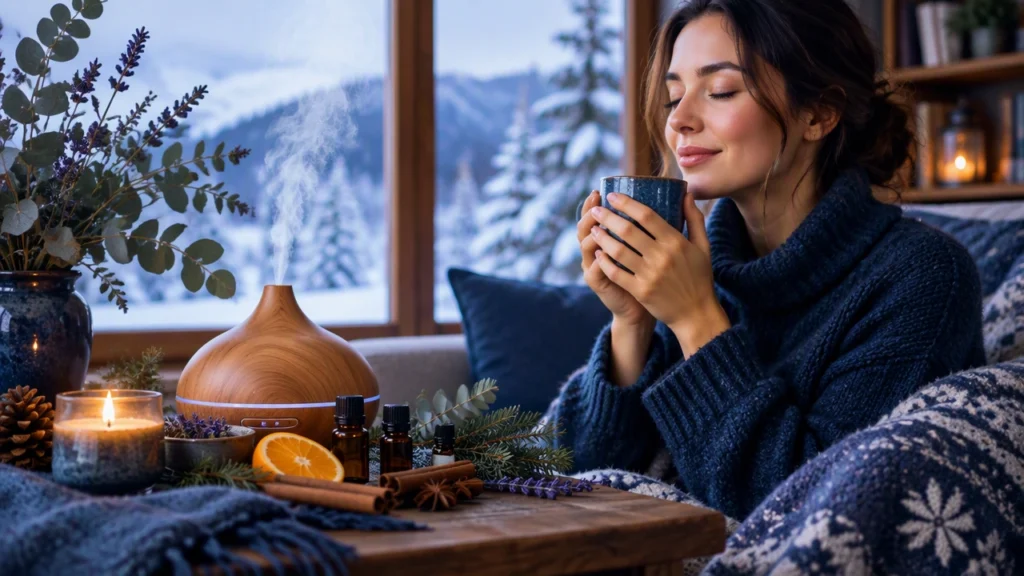
Aromaterapia can become a grounding part of a winter wellness routine when it is paired with practical habits that support rest, movement, hydration, and stress regulation. Winter asks the body to adapt to colder air, shorter days, and more time indoors. A thoughtful seasonal approach does not promise to prevent illness, but it can make daily care feel consistent, comforting, and easier to maintain.
This guide brings together warming essential oils, immune-supportive routines, and cozy self-care practices for a calm approach to the colder months.
Why winter calls for a seasonal approach
Cold weather often changes the rhythm of daily life. Mornings may feel slower, outdoor activity may decrease, indoor heating can dry the air, and social plans may shift toward quieter settings. These changes can affect sleep quality, energy, hydration, and mood. A seasonal wellness routine works best when it supports the body’s basic needs rather than relying on intense or complicated protocols.
Aromatherapy adds a sensory layer to that foundation. Scent is closely connected with memory and emotion, which is why a familiar aroma can signal that it is time to unwind, focus, or prepare for sleep. The key is to use essential oils as one part of a broader routine, with attention to safe dilution, ventilation, and individual sensitivity.
Choose warming oils for cold-weather comfort
Warming oils are often chosen for winter because their aroma feels rich, familiar, and cozy. They can create an inviting atmosphere during dark evenings or quiet mornings.
Popular warming options
- Orange: sweet and bright, often used to create a cheerful, welcoming environment.
- Cinnamon leaf: warm and spicy, typically preferred over cinnamon bark for regular home diffusion because it is gentler in aroma.
- Ginger: earthy and lively, useful when a room needs a sense of warmth and energy.
- Clove bud: deep and aromatic, best used sparingly due to its strong scent.
- Cardamom: soft, spicy, and slightly sweet, well suited to quiet evening routines.
- Frankincense:** grounding and resinous, often used during reflection, breathwork, or meditation.
For a balanced blend, combine one citrus oil with one warming spice and a drop of a grounding resin. Diffuse intermittently rather than continuously, and open a window or door periodically to maintain fresh air.
Build an immune-supportive daily rhythm
Immune support is not a single product or ritual. It is a pattern of habits that helps the body recover, adapt, and function well. Aromatherapy can sit alongside these foundations without replacing medical care.
Morning: start gently
Begin the day with light, movement, and hydration. Open the curtains early to support a natural circadian rhythm. Drink water before coffee or tea, and choose a breakfast that includes protein and fiber. If you use essential oils in the morning, select a fresh or citrus aroma and diffuse for a limited period while the room remains ventilated.
Daytime: support the basics
- Move regularly: short walks, stretching, or a brief bodyweight session can interrupt long periods of sitting.
- Hydrate consistently: warm water, herbal tea, and broths can make fluid intake more appealing in cold weather.
- Wash hands well: continue ordinary hygiene practices after being in shared spaces.
- Keep air fresh: ventilate indoor rooms daily, even for a few minutes, to reduce stale, dry air.
- Manage stress: chronic stress can disrupt sleep and healthy routines, so include brief pauses for breathing or quiet.
Evening: prepare for recovery
Evening is the best time for a slower aromatherapy ritual. Dim the lights, reduce screen brightness, and choose a calming blend such as lavender, cedarwood, or frankincense. Diffuse for 30 to 60 minutes while getting ready for bed, then turn the diffuser off. A consistent bedtime supports immune recovery more effectively than an occasional late-night reset.
Create a cozy self-care ritual
Cozy self-care is not about luxury; it is about creating repeatable moments of comfort. A simple ritual can make healthy habits feel more attractive during cold evenings.
Warmth through scent
Add a drop of citrus or cardamom to an aroma pendant, or use a properly diluted blend in a personal fragrance base. For room scenting, use a diffuser with clean water and a small number of drops. Avoid applying undiluted oils directly to the skin, and perform a patch test when trying a new oil.
Warmth through touch
After a shower, massage a well-diluted blend into the arms or feet. A carrier oil such as jojoba, sweet almond, or fractionated coconut helps control absorption and reduces the risk of irritation. Typical adult dilution for a leave-on body blend is around 1 to 2 percent, although sensitive skin may need a lower concentration.
Warmth through routine
Pair scent with a familiar action: brewing tea, journaling, gentle stretching, or placing a warm blanket nearby. Repetition teaches the mind to recognize the aroma as a cue for rest. This is where aromatherapy becomes a practical wellness tool rather than a scattered indulgence.
Use essential oils safely
Safety keeps the routine enjoyable. Keep these guidelines in mind:
- Dilute before skin contact: essential oils are concentrated and should be mixed with a carrier oil for topical use.
- Diffuse with ventilation: run the diffuser in an open space and take breaks between sessions.
- Respect sensitivity: children, older adults, pregnant people, and those with asthma or allergies may respond differently to fragrance.
- Avoid internal use: unless directed by a qualified professional, do not ingest essential oils.
- Store carefully: keep bottles away from heat and direct sunlight, and check that they are properly sealed.
- Seek medical care when needed: fever, breathing difficulty, severe pain, or symptoms that worsen deserve professional evaluation.
A simple winter weekly plan
Use a flexible structure rather than a rigid schedule. On weekdays, diffuse a bright citrus blend during a short morning session and reserve calming scents for the evening. On weekends, prepare a warming bath or foot soak, clean the diffuser, refill your tea supply, and plan outdoor movement for the clearest part of the day. Keep a small notebook to track sleep, mood, hydration, and scent preferences. Patterns become easier to see when they are written down.
Make the routine sustainable
The best winter wellness routine is one you can repeat on busy days. Start with one scent ritual, one movement habit, and one recovery practice. Add variety gradually, and let the season guide the mood: bright citrus for mornings, warming spices for shared meals, and grounding resins for quiet nights. With consistent care, aromatherapy can help transform winter from a season of endurance into a season of intentional comfort.